Reuse without wishful thinking
The return trip matters
A container only becomes reusable in practice when it comes back, passes inspection and carries another useful load.
Start with the loop, not the container
A durable parcel bag or returnable crate can look like an obvious improvement over a disposable pack. Yet making it usually requires more material than making a lightweight single-use alternative. Whether that investment pays off environmentally depends on actual use, return transport, cleaning and losses.
Start with a route you understand. Local deliveries with an existing collection round, regular business customers or customers who already return products can offer more manageable conditions than scattered one-off orders. Ask where empty packaging will wait, who will collect it and whether a separate journey is needed.
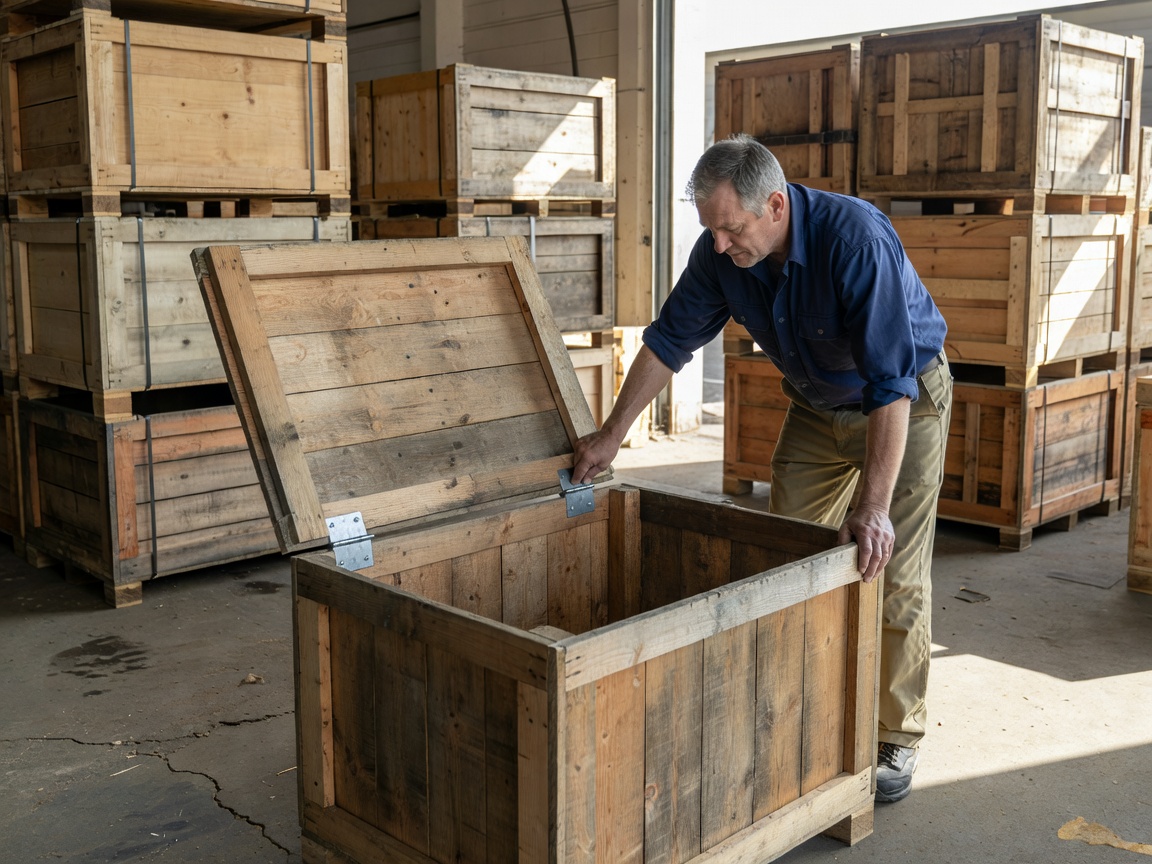
Four stages, one continuous responsibility
The handover between stages is where containers often disappear from view. Assign an owner and a record at each point.
- SendUse a sound container, a clear identifier and instructions the recipient can find.
- ReturnOffer a practical return route with clear timing and any charges explained.
- InspectCheck cleanliness, structure, closures and old shipping labels.
- RepackRelease only suitable containers and record another completed outbound use.
Design a return the customer can complete
Make the return instructions short enough to act on without contacting support. Explain whether the pack folds, where the return label is, which drop-off points accept it and whether the customer must pay anything. Do not promise a nearby drop-off location until you have checked the network relevant to that destination.
A deposit may encourage returns, but it also creates obligations around collection, refunds and customer communication. Make those terms visible before purchase and obtain appropriate advice for your market. Reminders should be proportionate, and tracking identifiers should not become an excuse to collect unnecessary personal information.
Count successful uses, not design claims
A supplier may describe a bag as capable of many journeys under test conditions. That is useful durability information, not evidence that your own system will achieve those journeys. Lost containers, customers keeping them and premature retirement reduce the average number of uses across the whole pool.
Record outbound uses, returns, days away, inspection failures and losses. Define your measures clearly: a completed outbound use is different from a fully completed send-and-return cycle. Keep outstanding containers visible rather than counting them as returned. Compare average results with your current packaging system, including any single-use labels or liners still needed.
There is no universal break-even number
The point at which reuse may outperform an alternative changes with container weight, manufacturing impacts, transport distance, vehicle loading, cleaning and the material being replaced. Carbon results also do not describe every environmental issue. Water use, resource demand and litter risks may point in different directions.
ISO 14040 and ISO 14044 offer frameworks for life-cycle assessment. A meaningful comparison needs equivalent protection and service, not simply one container against one mailer. If a supplier provides a break-even claim, ask which assumptions it uses and whether those match your route. Test pessimistic return and loss scenarios as well as the optimistic case.
Give inspection a proper place
Set a simple acceptance checklist: no sharp damage, sound closures, legible identifiers and a clean interior suitable for the next product. Remove old labels that might confuse sorting equipment or expose a previous customer’s details. Separate suspect containers from clean stock so a busy shift cannot accidentally reuse them.
Cleaning requirements depend on contents and risk. Ordinary retail goods, food-contact applications and medical supplies are not interchangeable situations. Check applicable rules and product requirements. Include cleaning water, energy, drying time and damaged stock in your evaluation rather than treating this stage as impact-free.
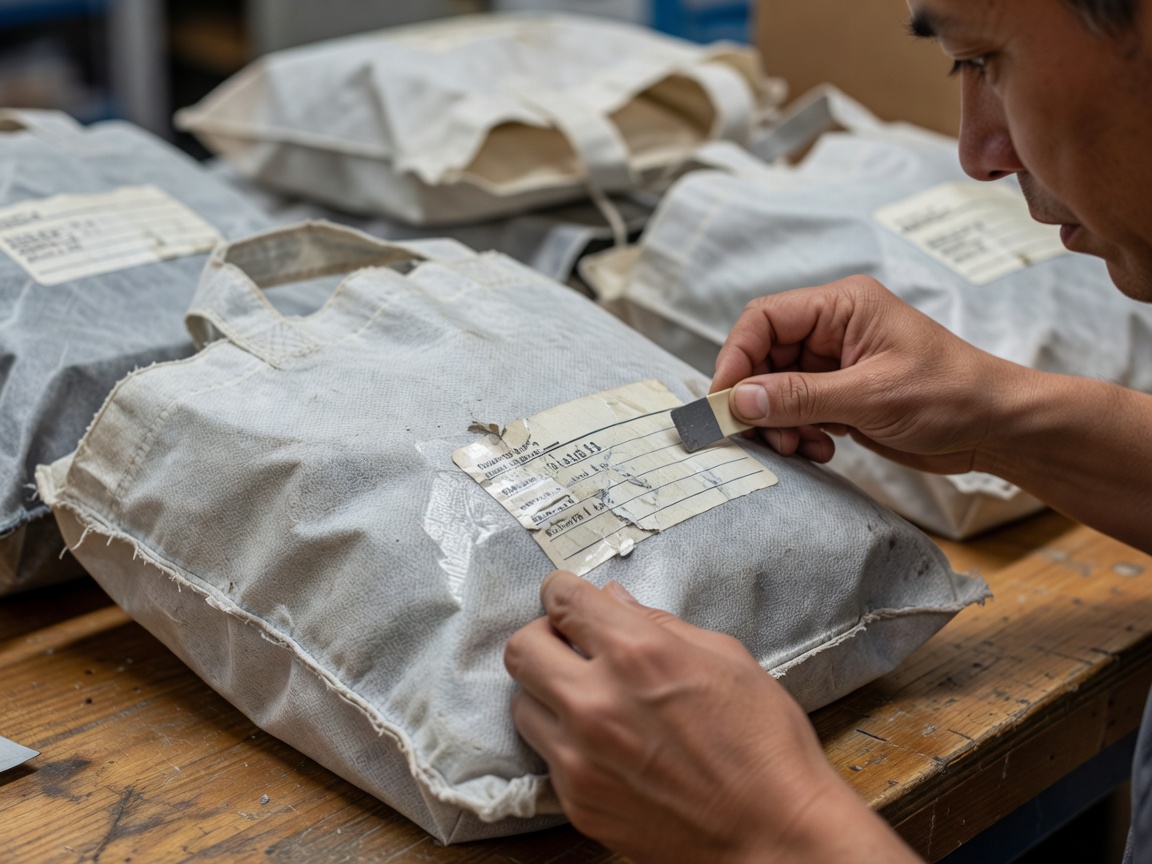
Run a bounded pilot
Choose one product group and a limited customer group. Define the pilot’s duration, return process, data fields and stop conditions before sending the first container. Record staff time and customer questions alongside material and transport measures. A system that requires constant improvisation is not ready to scale.
Review the results before buying a larger pool. If empty returns create dedicated long journeys or loss is high, adjust the route or keep reuse for a narrower use case. Reusing a sound incoming cardboard box may be a sensible intermediate step where a managed return network does not yet fit.
For wider context, explore the Ellen MacArthur Foundation and WRAP. Their work can inform questions; it does not certify your individual parcel system.
Improve the dispatch routine